Judah in the bible is one of the most important figures in the book of Genesis Chapter 29 thru 49, not because his story begins with faithfulness, but because it ends with transformation. The meaning of Judah’s name, the facts of his life, the key Bible verses about him, and the image of the Lion of Judah together form one of the clearest redemptive arcs in Scripture. From Judah comes kingship, covenant leadership, and ultimately the Messiah.
The Meaning of the Name Judah
Judah in the Bible was the fourth son born to Jacob and Leah. When Leah gave birth to him, she declared that she would praise the LORD, and she named him Judah, a name derived from the Hebrew word meaning praise, thanksgiving, or acknowledgment. From Judah’s name comes the word Jew, a term that would later describe the covenant people themselves. From the beginning, Judah’s identity is tied to worship and acknowledgment of God, even before his character reflects it.
Key Facts About Judah in the Bible
Judah appears prominently from Genesis 29 through Genesis 49. He was raised in a divided household shaped by rivalry, favoritism, and competition. Judah played a decisive role in the selling of his brother Joseph into slavery, proposing profit instead of murder. Although Joseph’s life was spared, Judah participated in deception that caused Jacob years of grief.
After this event, Judah separated from his brothers and settled among the Canaanites. His personal life unraveled. His sons were described as wicked and died young, and Judah failed in his responsibility toward his daughter-in-law Tamar. In one of the most difficult chapters in Genesis, Judah ordered Tamar to be punished publicly, only to discover that he himself was the one who had wronged her. This moment exposed Judah’s moral failure, but it also marked the beginning of his repentance.
Judah and Tamar: The Turning Point
When confronted with the truth, Judah did not deny or deflect blame. He publicly confessed that Tamar was more righteous than he. This confession is one of the most important moments in Genesis. It represents Judah’s acceptance of responsibility and marks a clear turning point in his life. Scripture records no further sexual scandal or deceit associated with Judah after this event.
From this broken situation came Perez, an ancestor of King David and, later, Jesus Christ. Judah’s line does not advance through moral perfection, but through repentance and accountability.
Judah’s Transformation and the Substitution Theme
Judah’s transformation becomes unmistakable during the famine narrative in Egypt. When Benjamin’s life was threatened, Judah personally guaranteed his safety to Jacob. Later, when Benjamin was accused and facing enslavement, Judah stepped forward and offered himself as a substitute. He pleaded to bear the guilt himself rather than see his younger brother taken.
This moment reverses Judah’s earlier betrayal of Joseph. The brother who once sold a son of Rachel into slavery now offers himself to save another. This act of substitution becomes central to Judah’s legacy and helps explain why kingship is entrusted to his line.
The Lion of Judah in the Bible
In Genesis 49, Jacob pronounced prophetic blessings over his sons. Judah received the most far-reaching words. Jacob compared Judah to a lion, describing strength, authority, and victory. He declared that the scepter would not depart from Judah and that rulers would come from his lineage.
The image of the Lion of Judah represents more than power. It reflects restrained strength, rightful authority, and leadership grounded in responsibility rather than domination. This image becomes one of the most enduring symbols in the Bible and later points directly to the Messiah.
Important Bible Verses About Judah
Judah is central to several key passages in Genesis. These include his birth in Genesis 29, the selling of Joseph in Genesis 37, the account of Judah and Tamar in Genesis 38, Judah’s plea for Benjamin in Genesis 44, and Jacob’s prophetic blessing in Genesis 49. Together, these verses trace Judah’s journey from failure to leadership and promise.
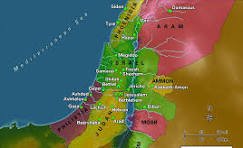
A Map of Judah and His Tribal Inheritance
After the Exodus and the conquest of Canaan, the descendants of Judah received a large and influential tribal territory in the southern part of the land. This region included Jerusalem and became the political and spiritual heart of Israel.
[Map placement: Tribal inheritance of Judah in ancient Israel, showing Judah’s territory in relation to the other tribes and Jerusalem.]
The territory of Judah later gave its name to the Kingdom of Judah, distinguishing it from the northern kingdom of Israel after the division of the monarchy.
Where Judah Is Located Today
The ancient territory of Judah corresponds largely to parts of modern-day Israel and the West Bank, including Jerusalem and surrounding regions. While tribal boundaries no longer function politically, the name Judah continues through history in the terms Jew, Jewish, and Judaism. The geographical heart of biblical Judah remains central to religious and historical identity today.
Conclusion of Judah in the Bible
Judah’s story explains why leadership in the Bible flows through repentance rather than perfection. Judah is not chosen because he is morally superior, but because he is transformed. He confesses sin, accepts responsibility, and offers himself for others. For this reason, kingship and promise are entrusted to his line.
From Judah comes David, and from David comes the Messiah, identified in the New Testament as the Lion of the tribe of Judah. Judah’s life shows that God redeems failure and turns confession into covenant destiny.